

St Petersburg Boating Accident Lawyer
A peninsula departure point does not establish where a boating event occurred or which organization holds its record. The investigation begins with coordinates, vessel identity, time, onboard systems, passengers, and the exact city, state, federal, or private connection.
Service area onlyFinnjury serves qualifying matters in St. Petersburg. This page describes an area served and is not an office listing. Finnjury's principal office is in Fort Lauderdale, Florida.
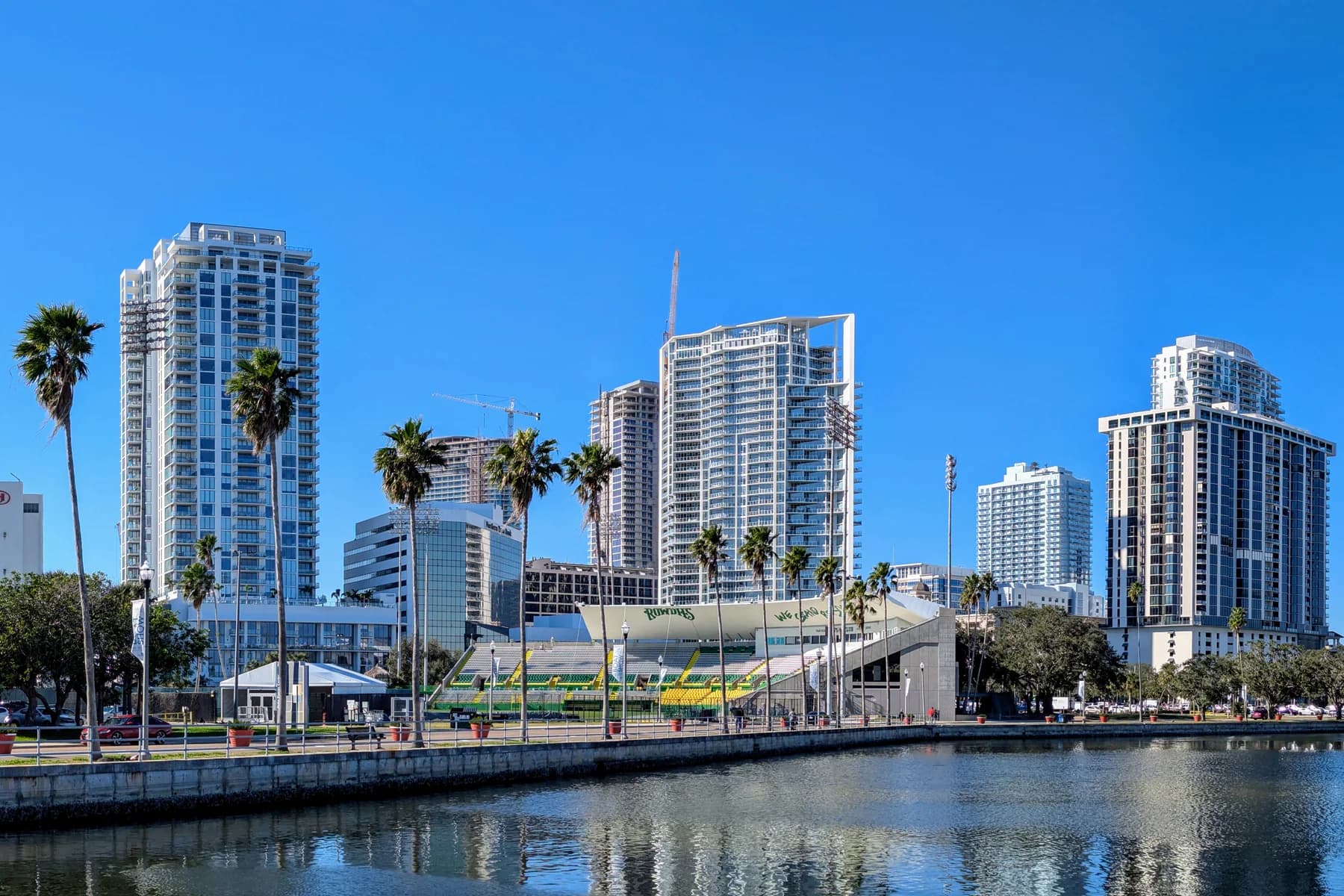
The case and local context
Boating evidence spans vessel condition, onboard technology, private businesses, water jurisdiction, public reporting, weather, and medical transition. A peninsula setting should direct accurate source research, not create an unsupported assumption about where the event occurred or which law controls.
The city code, state statistics, federal form, and jurisdiction statute serve narrow research functions and prove no individual facts. This general information is not legal advice and creates no attorney-client relationship without a signed agreement.
Local orientation
St. Petersburg, FL
The incident address can determine which agencies may hold reports, video, dispatch records, roadway data, or other time-sensitive evidence. Use the map for geographic context, then begin with the specific location where the incident happened.
Pinellas County
The water, port, and local setting
Local perspective
Identify each vessel by registration, name or description, owner, operator, rental or commercial status, physical condition, and safety equipment. Record passengers, departure and destination, exact water or dock location, event time, weather, visibility, responder, tow, and final vessel position.
Preserve hull and component photographs, damage, detached parts, GPS or chartplotter exports, engine and control information when available, radio or phone files, mounted video, maintenance records, rental documents, dock receipts, and communications. Note custody before repair, return, or disposal.
Build synchronized vessel, communication, weather, response, rescue, onboard-care, and later-treatment timelines. Account for clock offsets. A track screenshot or public weather summary should not be treated as the complete original record unless its source, time, and location are confirmed.
Water, port, and travel context
St. Petersburg ramps, harbors, marinas, beaches, bay waters, bridges, and Gulf access may involve different property and water jurisdictions. A city code reference or nearby facility does not establish that St. Petersburg controlled the vessel, water, operator, response, or incident file.
Potential questions include lookout, vessel path, wake, navigation lights, docking, passenger location, operator conduct, rental briefing, maintenance, weather, and rescue timing. Treat them as investigation prompts until original data, physical proof, witnesses, and source-identified records support a conclusion.
Route evidence and recovery records
Waterways, ports, and routes
Safely document the dock, ramp, seawall, channel marker, bridge, marina entrance, lighting, warning, camera, and access point relevant to the account. For open water, use coordinates and bearings; residence, departure, or later medical care should not be substituted for the incident location.
Define whether the event involved a collision, wake, propeller, boarding, fall, docking, equipment, rental, or rescue question. Connect the asserted movement or component to the record that can test it, such as track data, vessel condition, video, maintenance, weather, radio traffic, or responder observations.
Care and recovery records
The chronology should connect onboard response, water exposure or impact, rescue, transfer, initial care, later treatment, work and mobility effects, and travel disruption. Medical professionals direct care, and no St. Petersburg provider is endorsed by this page.
The state and local legal path
Courts and public resources
St. Petersburg's Boats, Beaches and Waterways Code can verify a documented city ramp, harbor, beach, or waterway connection before custodian research. It is not an incident report and does not establish vessel activity, water jurisdiction, operator conduct, cause, or responsibility.
Florida Fish and Wildlife Conservation Commission statistical reports supply statewide boating-accident context, not individual facts. The Coast Guard CG-3865 source identifies a federal casualty-report form, not an incident database. Event-specific reporting duties and the correct state or federal recipient still require confirmation.
The federal admiralty-jurisdiction statute is a primary-source starting point only. It does not decide forum, governing law, timing, contract effect, or claim viability. Maintain separate requests for agencies, vessel holders, marinas, rental or charter businesses, witnesses, medical providers, and insurers.
State-specific guidance
Fix the event at a city ramp or harbor, private marina, bay segment, inlet, offshore water, charter operation, rental location, or another jurisdiction. The responder and report recipient may differ from the property operator, vessel owner, Coast Guard role, and possible court.
Forum, governing law, reporting duty, deadline, and maritime jurisdiction cannot be inferred from a St. Petersburg departure. Those issues require attorney review of the water, vessel, activity, contracts, people, and event. This page only organizes the local evidence nexus.
Fit and the Finnjury approach
Is this the right fit?
The review should confirm an identifiable vessel, operator, water location, injury, and recoverable evidence in the same event. Rental, charter, facility, reporting, insurance, and possible jurisdictional questions should be documented. A local residence or launch alone may not supply the necessary legal nexus.
Operators, owners, marinas, rental businesses, charter companies, maintenance providers, manufacturers, public bodies, and insurers require supported roles. Conflicts, timing, forum, coverage, collectability, treatment, and Finnjury's capacity remain separate acceptance issues.
The Finnjury approach
A boating file becomes clearer when the vessel and event are fixed in place and time before legal labels are chosen. St. Petersburg context is useful when it proves the ramp, harbor, waterway, responder, or record connection and sends each request to the correct holder.
A direct first step in St. Petersburg
Tell us what happened
Share the essentials about the boating accidents matter. Finnjury will review the context and follow up.