

St Petersburg Truck Accident Lawyer
The truck at the scene may reflect several companies and record systems. A reliable St. Petersburg file proves the roadway or delivery connection, charts each operational role, and preserves company material without confusing it with a city planning page or crash-report portal.
Service area onlyFinnjury serves qualifying matters in St. Petersburg. This page describes an area served and is not an office listing. Finnjury's principal office is in Fort Lauderdale, Florida.
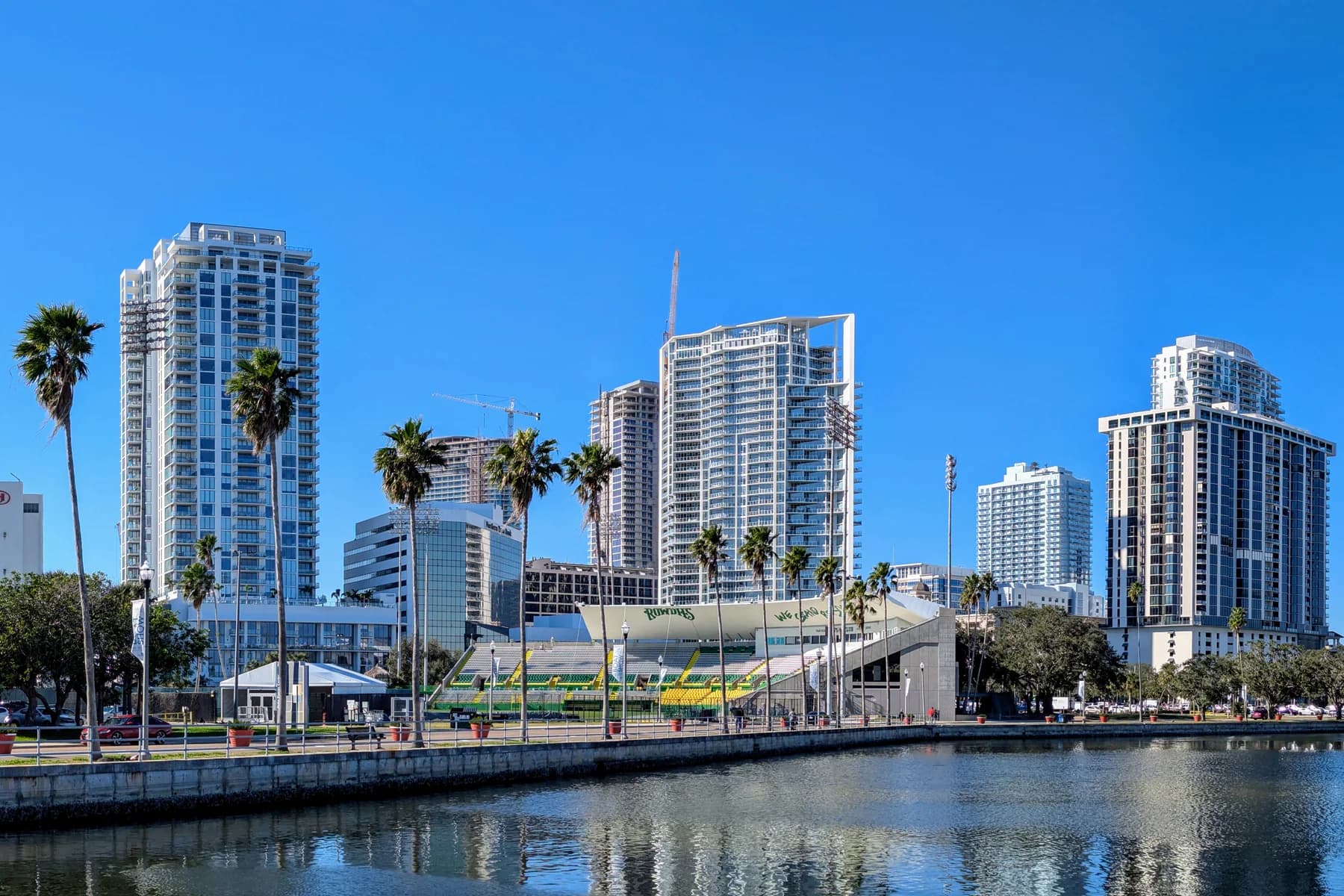
The case and local context
Commercial-truck work requires an entity chart and preservation plan beyond the ordinary crash file. St. Petersburg planning context and a statewide report may orient two public questions, while carrier, maintenance, cargo, dispatch, and customer records demand verified private custodians.
Neither official link proves a company's role or an outcome. Every route, vehicle, business, and record connection requires event-specific confirmation. The material is general information and does not form an attorney-client relationship without a signed agreement.
Local orientation
St. Petersburg, FL
The incident address can determine which agencies may hold reports, video, dispatch records, roadway data, or other time-sensitive evidence. Use the map for geographic context, then begin with the specific location where the incident happened.
Pinellas County
The local setting and incident context
Local perspective
Identify the tractor, trailer, unit and plate numbers, company markings, driver, cargo appearance, collision point, travel direction, responding agency, and claimed origin or destination. For a bridge, I-275, U.S. 19, Gandy, warehouse, delivery, or downtown connection, record the exact ramp, gate, address, or route segment.
Build an entity chart with separate rows for driver, motor carrier, tractor owner, trailer owner, broker, shipper, loader, maintenance provider, delivery customer, and insurers. Use registration, bills, dispatch, contracts, and admissions to connect roles. Similar names or logos are not enough to merge entities.
Preserve onboard video, electronic logging and control data, telematics, dispatch messages, route instructions, inspection and maintenance records, cargo or loading files, photographs, witness contacts, and available facility recordings. Confirm that a system existed on this vehicle before describing its data as missing.
Local crash and risk context
St. Petersburg's peninsula geography can concentrate commercial vehicles on bridge approaches, I-275 connections, major arterials, delivery routes, and limited access points. That setting may guide a route search but does not establish driver hours, stopping distance, company control, cargo activity, or fault.
Place physical and electronic facts on one synchronized chronology: truck path, traffic condition, perception, braking, contact, emergency call, log status, dispatch messages, gate or delivery time, and later company action. Record clock offsets and native formats so a screenshot is not mistaken for the complete system output.
Evidence, care, and recovery records
Roads and intersections
Document lane width, merge length, grade, shoulder, sight distance, traffic control, construction, lighting, bridge or ramp configuration, and the truck's asserted path without labeling a listed feature defective. Compare the current scene with event-date media and identify every later change.
For delivery activity, prove the stop through dispatch, customer, receipt, bill, gate, route, or witness evidence. A collision near a business does not establish that the truck served it. Preservation requests should identify the vehicle, event, date range, system, native format, and factual reason the holder may possess the item.
Care and recovery records
Complex injuries, wage effects, transportation needs, rehabilitation, and future support should be documented in dated entries tied to records. Medical professionals direct care, and this page endorses no St. Petersburg provider. The medical chronology should remain separate from assumptions about commercial responsibility.
The state and local legal path
Courts and public resources
The City of St. Petersburg Complete Streets Program is the verified local source for official corridor-planning context after the exact street segment is confirmed. Planning material is not an incident report and does not prove road ownership, notice, a defect, causation, or responsibility in the truck collision.
The Florida Crash Portal is the verified statewide route for purchasing an available traffic crash report. Confirm the agency, date, and identifier and check access restrictions. The report does not replace supplements, scene media, vehicle inspections, company systems, cargo records, or private cameras.
Create a custodian ledger that separates city planning or transportation material, Florida road records, the investigating file, carrier systems, equipment owners, maintenance, brokerage, loading, customer-facility data, witnesses, and insurers. Each request should answer a stated question rather than repeat one broad demand across unrelated companies.
State-specific guidance
Separate a city street from a state-controlled interstate or bridge approach, a Pinellas route, neighboring municipality, transit property, or private loading area. The investigating agency and roadway custodian are different questions, and neither necessarily controls carrier data or customer-facility video.
The Florida and trucking-practice guides address broader law, responsibility, insurance, and recovery. This page is confined to the St. Petersburg corridor and source problem: which public body can orient the road record and which private organization created each operational file.
Fit and the Finnjury approach
Is this the right fit?
The initial review should determine whether an identifiable commercial vehicle, documented injury, recoverable company evidence, and a supported St. Petersburg or bridge-route nexus converge in the same event. It should test each company's actual operational role rather than treating every name in the shipping chain as responsible.
Coverage, collectability, conflicts, timing, forum, treatment, and Finnjury's ability to add value remain necessary. Serious harm does not eliminate the need to verify vehicle identity, preserve data promptly, and distinguish public road evidence from private business records.
The Finnjury approach
A truck investigation should be organized around the company and system that created each record. In St. Petersburg, the peninsula route matters only when it helps prove the exact corridor, delivery, bridge, or camera connection; the carrier case must still be built from its own electronic and operational evidence.
Helpful reading
Florida guidance connected to this matter
A direct first step in St. Petersburg
Tell us what happened
Share the essentials about the trucking accidents matter. Finnjury will review the context and follow up.