

Clear answers start with the right questions
A starting point for understanding case reviews, communication, evidence, fees, and what happens after contacting Finnjury.

The essential information
General website information cannot answer every legal question or replace advice about a specific matter.
These answers provide a starting point. The facts of an individual matter still require a direct conversation.
General guidance
Start with the question in front of you
These answers are general information. A conversation about the facts is the only way to understand what may apply to a specific matter.

As soon as you reasonably can. Evidence can disappear, insurers may begin evaluating the incident immediately, and legal deadlines vary by state and claim. An early conversation can help you identify what to preserve and which questions to ask.
Put safety and medical care first. When it is safe to do so, report the incident, photograph the scene and involved property, collect witness information, and keep every document connected to your care, work, transportation, and insurance communications.
Finnjury reviews qualifying motorcycle, car, truck, bicycle, pedestrian, premises liability, wrongful death, boating, and cruise ship injury matters. Whether the firm can accept a matter depends on the facts, location, timing, conflicts, and applicable law.
Photographs, video, reports, witness details, vehicle data, damaged equipment, medical records, receipts, and a record of how the injury affects daily life may all matter. The useful evidence depends on what happened, so preserve originals whenever possible.
You may have duties under an insurance policy, but you do not have to guess about a recorded statement, broad medical authorization, or settlement offer. Before giving detailed statements or signing documents, consider getting advice about what is being requested and why.
An early assignment of fault may not tell the complete story. Reports can be incomplete, accounts may conflict, and responsibility can involve more than one person or company. A fact-specific review can identify evidence that deserves a closer look.
Yes. You do not need a perfect timeline or a complete file to begin. Share what you know, identify what is still missing, and keep any records already in your possession so the next step can be based on the available facts.
There is no reliable universal timeline. Medical recovery, evidence collection, insurance coverage, disputed responsibility, the number of parties, and whether litigation becomes necessary can all affect timing. Finnjury can explain the likely sequence after reviewing the matter.
The analysis may include medical care, lost income, future needs, insurance coverage, responsibility, available evidence, and the ways the injury changed daily life. No single calculator or early diagnosis can replace a review of the complete facts.
Weston works alongside the Finnjury team, and the people involved will depend on the needs and jurisdiction of the matter. From the beginning, clients should know who their contacts are, how to reach them, and what happens next.
Finnjury serves qualifying personal injury matters in Florida and Michigan. Whether the firm can accept a matter depends on venue, conflicts, deadlines, and the specific facts.
Yes. Phone and video consultations are available for qualifying matters, with in-person meetings arranged when appropriate. The firm can confirm the best format after receiving the basic details.
No. Submitting information allows Finnjury to evaluate the request, but representation begins only after conflicts and other requirements are cleared and a written engagement agreement is signed.
Finnjury reviews the information for the type of matter, location, timing, conflicts, and the next facts or records needed. The team then follows up using the contact method you selected. Submission does not guarantee that the firm can accept the matter.
Continue reading
Go deeper than a quick answer
- 01
 GuideWhat to Do After a Motorcycle AccidentWhat to do after a motorcycle accident: prioritize safety, get medical care, report the crash, document the scene, and preserve the bike, gear, and records.
 - 02
 GuideWhat to Do After a Truck AccidentWhat to do after a truck accident: protect your safety, report the crash, identify the truck and carrier, document the scene, and preserve key records.
 - 03
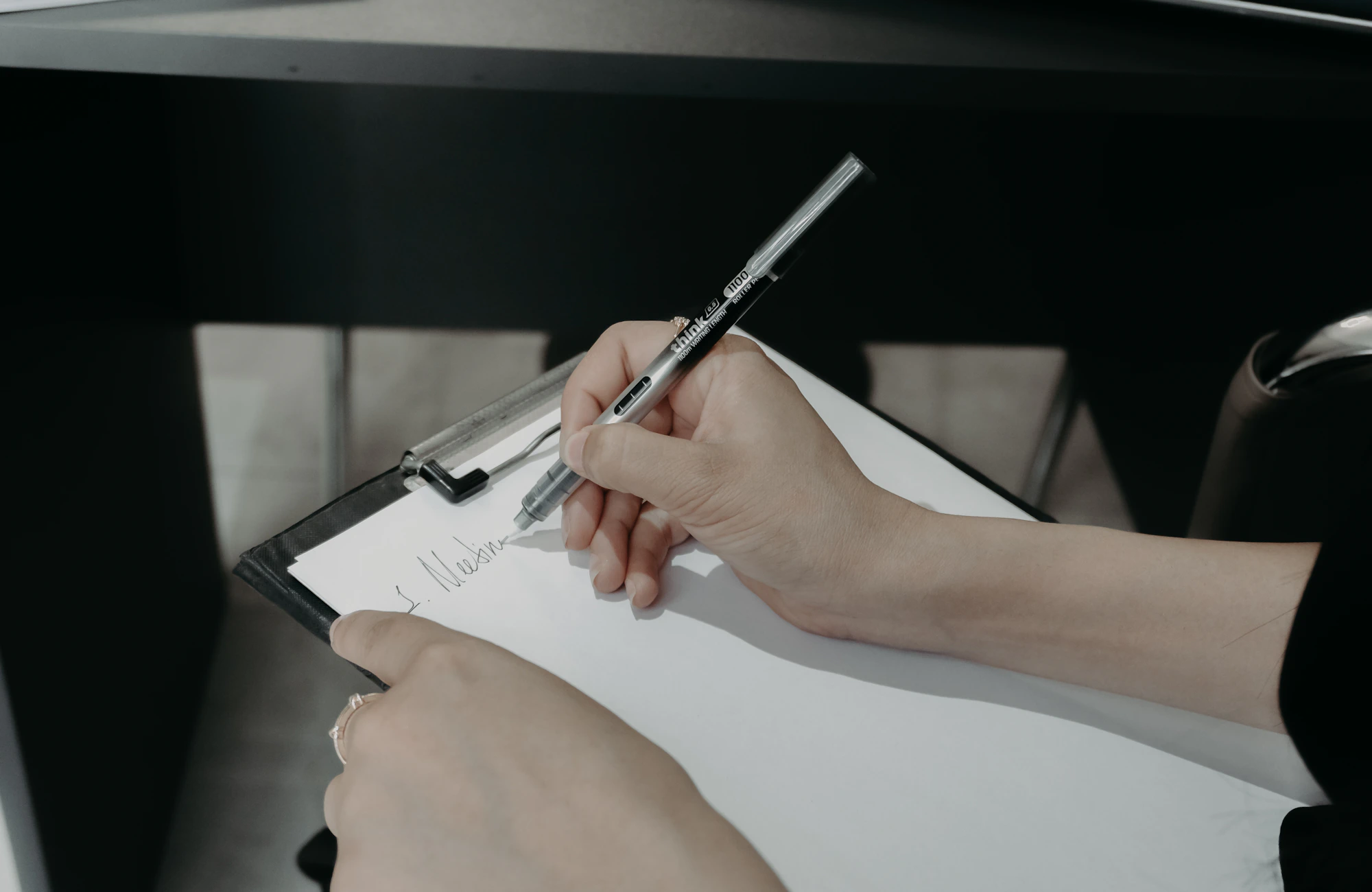 ArticleWhat if the Motorcycle Crash Report Is Wrong?What to do when a motorcycle accident police report is wrong: identify factual errors, preserve conflicting evidence, and ask about corrections.