

Ann Arbor Motorcycle Accident Lawyer
A motorcycle crash deserves more than assumptions about the rider. Map I-94, U.S. 23, M-14, and university-area streets alongside rider position and driver sight lines; retain gear, motorcycle damage, and video before a temporary source changes.
Service area onlyFinnjury serves qualifying matters in Ann Arbor. This page describes an area served and is not an office listing. Finnjury's principal office is in Fort Lauderdale, Florida.
The case and local context
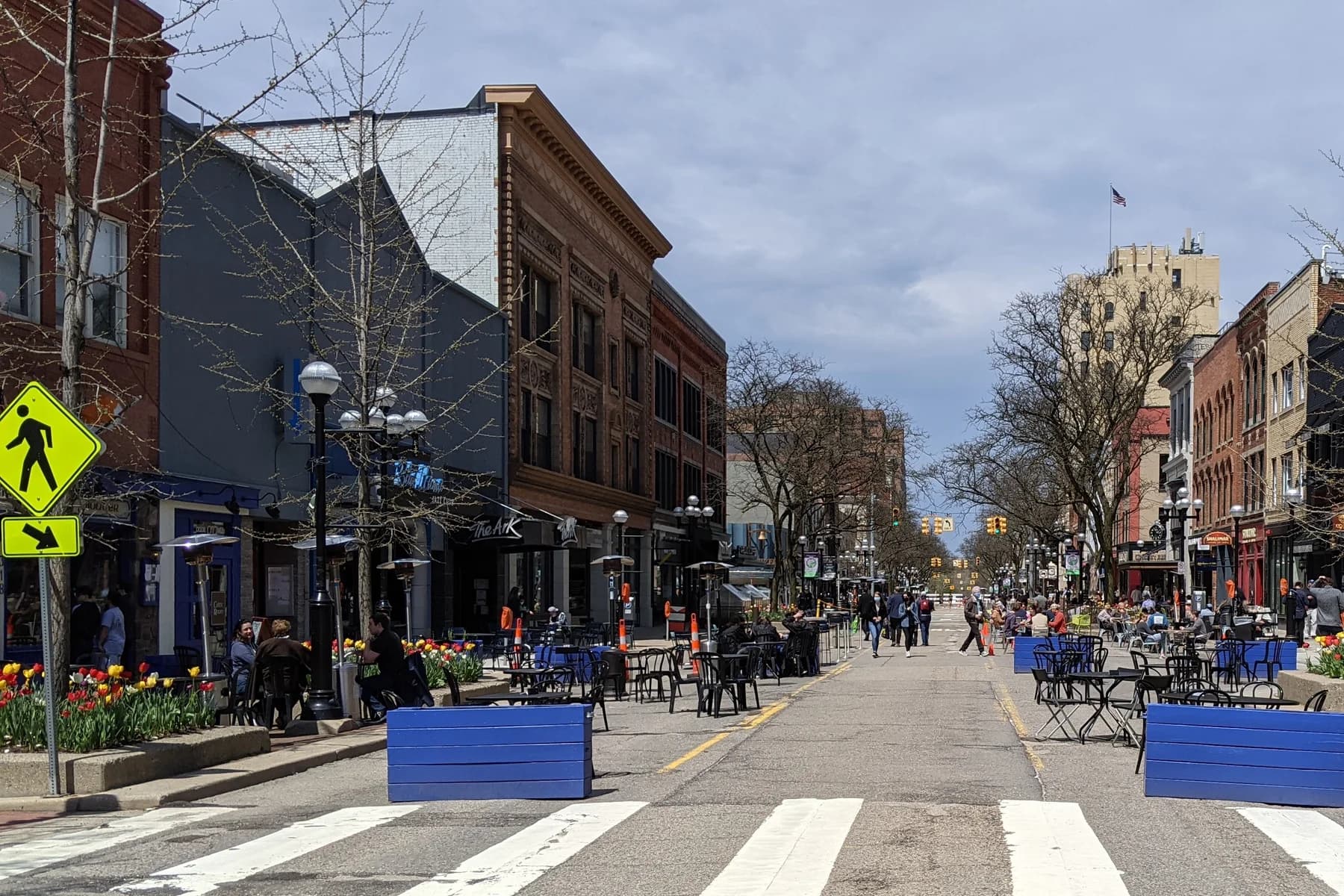
The local value comes from city, Washtenaw County, state, university, and private systems with gear, motorcycle damage, and video around I-94, U.S. 23, M-14, and university-area streets alongside rider position and driver sight lines. A different city changes custody and geography; a different injury type changes the proof, likely holders, and decision under review.
Document Police Records's jurisdiction, access rules, date coverage, retention, fees, and connection to a lane move, road defect, or visibility dispute at I-94, U.S. 23, M-14, and university-area streets. A public response may be incomplete or later corrected under Ann Arbor Police Department's process for I-94, U.S. 23, and M-14 approaches where interchange movement, construction, pavement, and seasonal visibility may affect a rider Traffic Crash Purchasing System - MiLogin may also be unavailable to a requester or silent about disputed responsibility.
For the scenario described as I-94, U.S. 23, and M-14 approaches where interchange movement, construction, pavement, and seasonal visibility may affect a rider the page's assigned role is narrower than statewide legal guidance and the broader practice overview. Its distinctive work is the relationship among city, Washtenaw County, state, university, and private systems, drivers, owners, and road controllers, gear, motorcycle damage, and video, and regional treatment, campus or work travel, rehabilitation, and winter access. Each route remains conditional on the reported facts before any factual or legal conclusion is published.
This record plan provides general context, not legal advice or an outcome prediction, concerning I-94, U.S. 23, M-14, and university-area streets alongside rider position and driver sight lines. Police Records supports the assigned research task but verifies no client's facts. Representation begins only through a signed engagement agreement.
Local orientation
Ann Arbor, MI
The incident address can determine which agencies may hold reports, video, dispatch records, roadway data, or other time-sensitive evidence. Use the map for geographic context, then begin with the specific location where the incident happened.
Washtenaw County
The local setting and incident context
Local perspective
Begin the Ann Arbor motorcycle crash file by relating campus travel, event traffic, pedestrians, bicycles, and winter weather to rider position and driver sight lines. Capture the exact site, time, people, responder, and earliest fragile item within gear, motorcycle damage, and video; those details decide whether the guide fits the reported event.
Before seeking agency material, separate an Ann Arbor event from Washtenaw County, while testing rider position and driver sight lines, an MDOT route, university or health-system property, Ypsilanti, a regional waterway, or a privately controlled site. That choice distinguishes Ann Arbor Police Department from Michigan State Police and from drivers, owners, and road controllers.
The opening worksheet starts beside I-94, U.S. 23, M-14, and university-area streets. The review then pairs rider position and driver sight lines against the backdrop of campus travel, event traffic, pedestrians, bicycles, and winter weather. This sequence helps locate which parts of gear, motorcycle damage, and video require immediate preservation and which remain requests, leads, or unresolved assertions.
Local crash and risk context
Treat I-94, U.S. 23, and M-14 approaches where interchange movement, construction, pavement, and seasonal visibility may affect a rider as an investigation prompt, never proof of cause. Compare campus travel, event traffic, pedestrians, bicycles, and winter weather against rider position and driver sight lines using chronology entries and preserved objects.
Use the reported mechanism through I-94, U.S. 23, and M-14 approaches where interchange movement, construction, pavement, and seasonal visibility may affect a rider The matter file should keep apart observations, measurements, digital timestamps, later recollections, and professional interpretation. When direct proof is distinguished a lane move, road defect, or visibility dispute be evaluated against the particular holder and geographic boundary supported by the file.
campus travel, event traffic, pedestrians, bicycles, and winter weather orients the source inquiry for rider position and driver sight lines. Compare that combination through gear, motorcycle damage, and video, then use city, Washtenaw County, state, university, and private systems to identify which public or private system may hold each original under Police Records's stated limits. That city-and-incident pairing is what prevents a statewide practice description from standing in for the event.
Evidence, care, and recovery records
Roads and intersections
At I-94, U.S. 23, M-14, and university-area streets, inventory the approach, contact or hazard point, sight obstruction, warning or control, and camera positions within Police Records's documented scope needed to evaluate rider position and driver sight lines; retain original files rather than screenshots alone.
The geographic proof file ought to join I-94, U.S. 23, M-14, and university-area streets with the exact feature implicated by rider position and driver sight lines. Photograph viewing positions, movement paths, controls, and warnings within Police Records's documented limits; then capture temporary conditions and camera directions relevant to gear, motorcycle damage, and video. Then label what changed after the event so present conditions are not mistaken for historical proof.
I-94, U.S. 23, M-14, and university-area streets should be read together with gear, motorcycle damage, and video. Catalog the originals among drivers, owners, and road controllers, while city, Washtenaw County, state, university, and private systems identifies the governmental, institutional, or property-side leads bounded by Police Records. This holder-by-holder plan should connect each source to rider position and driver sight lines at the particular location rather than to the city name alone.
Care and recovery records
Care choices remain with the patient and treating professionals. In the Ann Arbor motorcycle crash chronology, connect mobility, work, and riding ability with regional treatment, campus or work travel, rehabilitation, and winter access; date instructions, missed obligations, transportation changes, household effects, and supporting records.
The state and local legal path
Courts and public resources
Police Records, maintained by Ann Arbor Police Department, is assigned to this Ann Arbor motorcycle crash inquiry to confirm the responding department and report identifier before seeking an available police record tied to I-94, U.S. 23, and M-14 approaches where interchange movement, construction, pavement, and seasonal visibility may affect a rider. It can orient city, Washtenaw County, state, university, and private systems; it cannot prove a lane move, road defect, or visibility dispute.
When documenting official access to gear, motorcycle damage, and video, use Traffic Crash Purchasing System - MiLogin from Michigan State Police for its assigned function within I-94, U.S. 23, and M-14 approaches where interchange movement, construction, pavement, and seasonal visibility may affect a rider For rider position and driver sight lines, match the crash date, agency, and report number to I-94, U.S. 23, and M-14 approaches where interchange movement, construction, pavement, and seasonal visibility may affect a rider. Request available supplements or diagrams through Michigan State Police in relation to I-94, U.S. 23, M-14, Washtenaw Avenue, State Street, Main Street, campus routes, and travel between Ann Arbor and Ypsilanti can shape the available records., while preserving gear, motorcycle damage, and video from its original holder rather than assuming the base report includes it.
Within city, Washtenaw County, state, university, and private systems, assign city, while assigning gear, motorcycle damage, and video, county, state, university, health-system, transit, employer, property, and private requests only after confirming the event address and record creator. Catalog each item, holder, date range, and native format against Police Records; record the response and unresolved gap separately. drivers, owners, and road controllers remain distinct source categories for the reported rider position and driver sight lines.
Police Records carries this controlling limit: aAPD does not hold every county, campus, state, or private record, and a report does not establish fault, cause, completeness, or damages. The research-level source nexus is direct for motorcycle crash, but the event must still fit I-94, U.S. 23, and M-14 approaches where interchange movement, construction, pavement, and seasonal visibility may affect a rider and separate an Ann Arbor event from Washtenaw County, while testing rider position and driver sight lines, an MDOT route, university or health-system property, Ypsilanti, a regional waterway, or a privately controlled site. Tie Traffic Crash Purchasing System - MiLogin to the actual rider position and driver sight lines, identifier, and custodian before relying on its process.
Two official paths serve different functions: Police Records supports city, Washtenaw County, state, university, and private systems, while Traffic Crash Purchasing System - MiLogin addresses its assigned path to gear, motorcycle damage, and video. Document the identifier used, access rule, and date range tied to rider position and driver sight lines; then preserve the response, native file, and remaining question. assign city, while assigning gear, motorcycle damage, and video, county, state, university, health-system, transit, employer, property, and private requests only after confirming the event address and record creator; for a lane move, road defect, or visibility dispute, a response from one branch cannot close an unanswered request held by another custodian.
State-specific guidance
For a source review involving a lane move, road defect, or visibility dispute, separate an Ann Arbor event from Washtenaw County, while testing rider position and driver sight lines, an MDOT route, university or health-system property, Ypsilanti, a regional waterway, or a privately controlled site. Assign gear, motorcycle damage, and video to the responder, controller, originating system, or private preservation contact shown by city, Washtenaw County, state, university, and private systems.
Direct general legal rules in the Michigan guide and broader Motorcycle accidents issues in the practice guide. This page uses Police Records only for the narrower task of city, Washtenaw County, state, university, and private systems.
Fit and the Finnjury approach
Is this the right fit?
Classify a lane move, road defect, or visibility dispute under Police Records's documented boundary into confirmed facts and material contradictions tied to gear, motorcycle damage, and video; then identify what remains obtainable through city, Washtenaw County, state, university, and private systems. The relationship between I-94, U.S. 23, M-14, and university-area streets and rider position and driver sight lines does not by itself answer case fit, responsibility, coverage, or acceptance.
An intake decision for I-94, U.S. 23, M-14, and university-area streets should ask whether mobility, work, and riding ability is connected to reliable proof of rider position and driver sight lines, a viable responsibility theory, available coverage or recovery, Police Records's documented limits, the governing forum, and evidence that can still be obtained. Label unresolved conflicts before Finnjury decides whether representation can add meaningful value.
The Finnjury approach
A careful matter review of the Ann Arbor motorcycle crash should connect mobility, work, and riding ability with reliable proof drawn from I-94, U.S. 23, M-14, and university-area streets alongside rider position and driver sight lines. Compare the account to gear, motorcycle damage, and video, the verified boundary, and Ann Arbor Police Department's access limits.
Helpful reading
Michigan guidance connected to this matter
- 01
 ArticleMichigan Motorcycle Laws: What Riders Should KnowA source-backed starting point for Michigan helmet conditions, endorsements, lane use, passengers, safety training, and insurance questions.
 - 02
 ArticleMichigan Motorcycle Helmet LawMichigan motorcycle helmet law explained: age, endorsement or safety-course history, medical benefits, passengers, proof, and post-crash questions.
A direct first step in Ann Arbor
Tell us what happened
Share the essentials about the motorcycle accidents matter. Finnjury will review the context and follow up.